
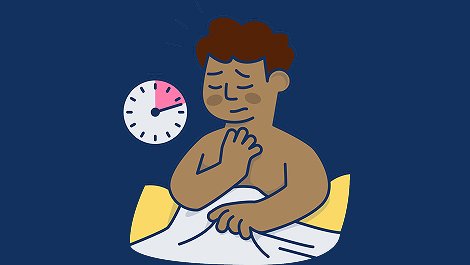
Premature ejaculation, often abbreviated as PE, is one of the most common ejaculation problems affecting men. This sexual dysfunction can impact various aspects of a man's life, leading to reduced satisfaction in one's sex life and potential relationship issues. Understanding the foundation of this sexual disorder is key to addressing the underlying causes and implementing effective management strategies. PE often results from a combination of physical and psychological factors.
Performance anxiety and stress can exacerbate the problem, leaving patients feeling frustrated. Many facing ejaculation problems might experience a sense of isolation and concern about their sexual performance, which may further intensify symptoms. Proper care and an empathetic approach can significantly help those struggling with premature ejaculation. Identifying symptoms early, as well as seeking diagnosis and subsequent treatment options, can alleviate the emotional and physical burden associated with this condition.
Establishing open communication with partners plays a vital role in managing ejaculatory concerns and improving a couple's overall sex life. By recognizing the nature of premature ejaculation, both patients and their partners can take steps towards finding solutions that enhance their relationship and personal well-being. Ultimately, understanding PE involves examining various factors to deliver personalised care and support.
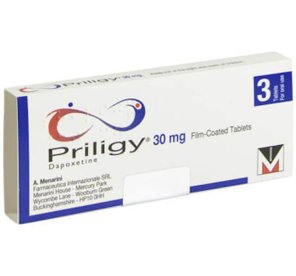



Premature Ejaculation Treatment in the UK – Online Doctor Consultation
****************************************************************************************
About the Author:
Rupesh Shah, Independent Prescriber & Pharmacist
GPhC Registered | 20+ years clinical experience
Rupesh Shah is a UK-registered pharmacist and independent prescriber with extensive experience in men’s health, erectile dysfunction treatments, and online prescribing services. He is the Clinical Lead at London Luton Clinic and is committed to providing safe, evidence-based care.
Medical Review
Medically reviewed by: Rupesh Shah, Independent Prescriber
Last reviewed: 13 January 2026
This article has been medically reviewed to ensure clinical accuracy, safety, and compliance with UK prescribing guidelines.
Medical Disclaimer
This article is for general information only and does not replace a consultation with a qualified healthcare professional. Always seek medical advice before starting treatment.